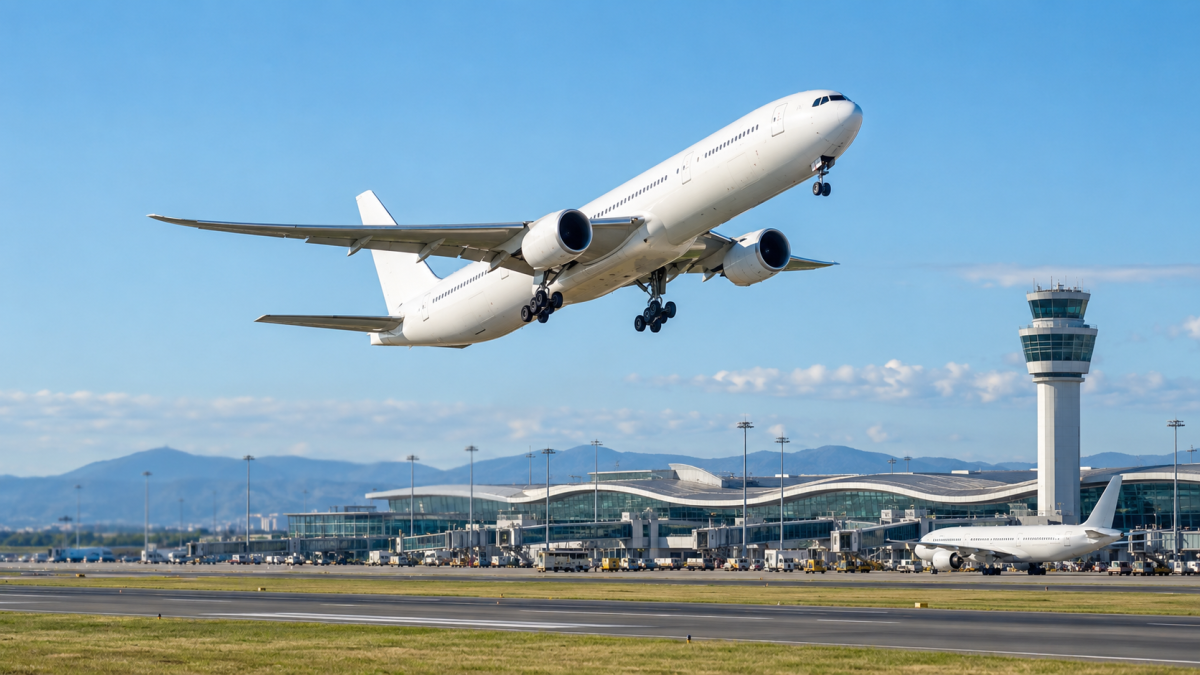
Dunia penerbangan terus berkembang dari waktu ke waktu. Maskapai trisula88 menambah rute baru, menyesuaikan jadwal, dan menghadirkan berbagai layanan sehingga penumpang memiliki lebih banyak pilihan perjalanan udara.
Di Indonesia, konektivitas penerbangan juga terus berkembang. Sejumlah bandara memperluas layanan, sedangkan beberapa maskapai menambah rute untuk menghubungkan berbagai kota.
Bagi calon penumpang, mengikuti update penerbangan terbaru membantu mereka merencanakan perjalanan dengan lebih baik.
Perkembangan Penerbangan di Indonesia
Penerbangan memiliki peran penting dalam mendukung mobilitas masyarakat. Masyarakat menggunakan pesawat untuk liburan, perjalanan bisnis, pendidikan, kunjungan keluarga, dan berbagai kebutuhan lainnya.
Pertumbuhan rute domestik memberikan lebih banyak pilihan bagi masyarakat yang ingin bepergian. Penumpang juga tidak harus selalu menempuh perjalanan darat atau transit di kota tertentu.
Pada September 2026, Bandara Husein Sastranegara di Bandung kembali membuka konektivitas domestik dan menarik perhatian masyarakat.
Rute Baru Membuka Pilihan Perjalanan
Penambahan rute menjadi salah satu perkembangan menarik dalam dunia penerbangan. Rute langsung membantu penumpang menghemat waktu karena mereka tidak perlu transit di kota lain.
Super Air Jet, misalnya, membuka rute Bandung-Pekanbaru pada September 2026 dengan jadwal penerbangan beberapa kali dalam sepekan.
Maskapai tersebut juga menyiapkan rute dari Bandung menuju Medan, Denpasar, Makassar, Pontianak, dan Balikpapan.
Berbagai pilihan tersebut memberi penumpang lebih banyak alternatif saat menyusun rencana perjalanan.
Maskapai Terus Memperluas Konektivitas
Persaingan dalam industri penerbangan mendorong maskapai mencari peluang baru untuk memperluas jaringan penerbangan.
Penambahan rute memberikan pilihan baru bagi penumpang. Konektivitas yang semakin luas juga mendukung aktivitas ekonomi, pariwisata, pendidikan, dan mobilitas masyarakat antardaerah.
TransNusa, misalnya, mengumumkan beberapa pengembangan rute pada September 2026. Maskapai tersebut menambah penerbangan internasional dari Jakarta serta rute domestik dari Denpasar.
Bandara Menjadi Bagian Penting dari Konektivitas
Perkembangan penerbangan berjalan seiring dengan perkembangan bandara. Bandara dengan banyak rute dapat menjadi penghubung penting bagi masyarakat dari berbagai wilayah.
Bandara Husein Sastranegara menjadi salah satu contoh perkembangan tersebut. Setelah kembali melayani pesawat jet, bandara ini terus menambah konektivitas domestik melalui beberapa maskapai dan rute.
Bertambahnya pilihan bandara juga membantu penumpang menentukan lokasi keberangkatan yang paling sesuai dengan kebutuhan mereka.
Tren Perjalanan Udara yang Perlu Diperhatikan
Tren perjalanan udara tidak hanya berkaitan dengan jumlah penerbangan. Penumpang juga memperhatikan jadwal, harga tiket, durasi perjalanan, fasilitas, dan kemudahan akses menuju bandara.
Banyak penumpang memilih rute langsung karena perjalanan terasa lebih sederhana dan praktis.
Perkembangan teknologi juga membuat proses perjalanan semakin mudah. Penumpang dapat memesan tiket, memilih kursi, melakukan check-in, dan memperoleh informasi penerbangan melalui layanan digital.
Tips Memilih Penerbangan yang Tepat
Sebelum membeli tiket, perhatikan beberapa hal agar perjalanan berjalan sesuai rencana.
Pertama, periksa jadwal penerbangan dengan teliti. Pastikan tanggal dan waktu keberangkatan sesuai dengan agenda perjalanan.
Kedua, bandingkan harga tiket dari beberapa maskapai. Jangan hanya melihat harga dasar karena biaya bagasi dan layanan tambahan dapat meningkatkan total pengeluaran.
Ketiga, perhatikan lokasi bandara. Harga tiket yang lebih murah belum tentu menjadi pilihan paling praktis jika bandara berada jauh dari tujuan.
Terakhir, cek kembali informasi penerbangan menjelang keberangkatan. Maskapai dapat mengubah jadwal karena kondisi operasional atau faktor lainnya.
Periksa Informasi Penerbangan Sebelum Berangkat
Berbagai faktor dapat memengaruhi penerbangan, termasuk kondisi cuaca, operasional bandara, dan kebijakan maskapai.
Pada awal September 2026, erupsi Gunung Anak Krakatau sempat memengaruhi sejumlah penerbangan dari dan menuju Bali. Setelah otoritas menerbitkan NOTAM terkait, beberapa rute kembali beroperasi pada 8 September 2026.
Karena itu, penumpang perlu mengecek informasi terbaru dari maskapai dan bandara sebelum berangkat.
Kesimpulan
Update penerbangan terbaru menunjukkan perkembangan konektivitas udara yang semakin beragam. Maskapai menambah rute, memperluas layanan, dan membuka lebih banyak pilihan perjalanan bagi masyarakat.
Bagi calon penumpang, mengikuti perkembangan penerbangan membantu mereka membuat rencana perjalanan dengan lebih matang. Selain membandingkan harga dan jadwal, penumpang juga perlu memeriksa informasi resmi dari maskapai sebelum menuju bandara.
Dengan persiapan yang baik, penumpang dapat menikmati perjalanan udara dengan lebih nyaman dan sesuai kebutuhan.